
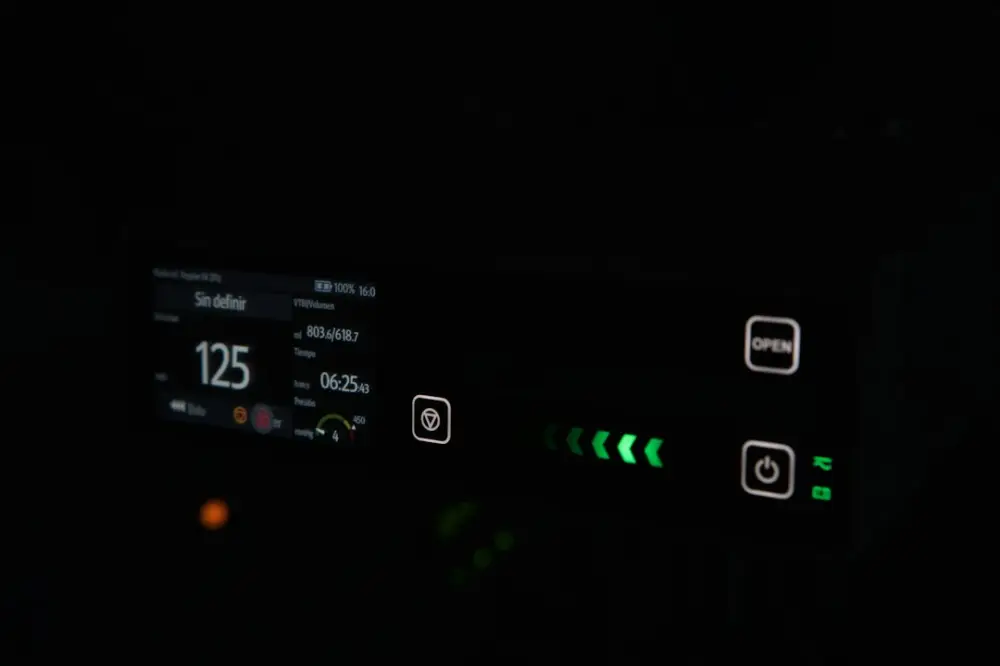
Energy asset monitoring is the continuous process of tracking the health, performance, and location of critical infrastructure like power grids, pipelines, and renewable arrays. By using real-time data from sensors and software, energy companies can identify potential failures before they occur, ensure regulatory compliance, and optimize the lifecycle of distributed equipment in 2026.
This guide examines the technical shifts moving the industry away from manual inspections toward automated, data-driven oversight. We look at the specific technologies enabling this transition, the common pitfalls that lead to equipment downtime, and the software frameworks necessary to maintain operational stability in a high-demand market.
Basics of Energy Asset Monitoring
Monitoring involves the deployment of hardware and software layers to capture physical variables. In a typical natural gas compressor station, this might include vibration sensors on rotating shafts and temperature gauges on cooling systems. These sensors feed data into a SCADA (Supervisory Control and Data Acquisition) system or a cloud-based IoT platform where the information is aggregated and analyzed.
The primary goal is visibility. Without a centralized monitoring system, operators are forced to rely on site visits, which are often infrequent and reactive. Modern monitoring systems provide a 24/7 window into asset health, allowing a technician in a central office to see the precise output of a remote solar farm in the Mojave or the pressure fluctuations in a subsea pipeline. This level of oversight is essential for maintaining safety standards and meeting the rigorous uptime requirements of the modern grid.
7 Energy Asset Monitoring Trends for 2026
The following trends represent the current state of the art for energy infrastructure management, focusing on reducing latency and increasing the accuracy of predictive models.
- Edge Computing for Remote Grids: Instead of sending massive amounts of raw data to a central server, sensors now process information locally. For example, a wind turbine can analyze its own gearbox vibration patterns in real-time, only sending an alert when an anomaly is detected.
- Digital Twin Integration: Operators are increasingly using virtual replicas of physical assets. By running simulations on a digital twin of a transformer, engineers can predict how it will handle a summer heatwave before the temperatures actually rise.
- Satellite-Based Methane Detection: Environmental accountability has moved to orbit. High-resolution satellite imagery is now used to detect methane leaks at production sites that ground-based sensors might miss, ensuring faster repairs and better compliance.
- Autonomous Drone Inspections: AI-piloted drones are replacing manual line-walking. These units use LiDAR and thermal imaging to scan hundreds of miles of transmission lines, identifying frayed cables or encroaching vegetation without human intervention.
- Battery Health Analytics: As grid-scale storage becomes central to the energy mix, monitoring the internal chemistry and thermal stability of lithium-ion and flow batteries has become a dedicated discipline to prevent thermal runaway.
- Acoustic Monitoring: Advanced microphones are being used to "listen" to the hum of power plants. AI models can detect the specific frequency changes that precede a bearing failure, often weeks before a physical inspection would find a problem.
- Blockchain for Asset Verification: In decentralized microgrids, blockchain technology is used to create immutable logs of asset performance and energy transactions, providing a transparent audit trail for both regulators and partners.
Why Energy Asset Management Issues Occur
Most failures in the energy sector stem from a combination of environmental stress and information gaps. Infrastructure is often located in hostile environments—offshore wind turbines face salt-water corrosion, while pipelines in the Midwest deal with extreme freeze-thaw cycles. Over time, these physical stressors degrade components in ways that are invisible to the naked eye.
Another major factor is the presence of data silos. When a utility company uses different software for its solar arrays than it does for its traditional gas plants, the lack of a unified view makes it difficult to see how operational efficiency drives long term growth across the entire portfolio. Without integrated data, maintenance is often performed too late (after a break) or too early (wasting resources), both of which hurt the bottom line.
How to Prevent Critical Asset Failures
Prevention starts with establishing baseline performance metrics. By knowing what "normal" looks like for a specific piece of equipment, operators can set intelligent thresholds for alerts. For instance, if a pump typically operates at 60 degrees Celsius, an alert should be triggered the moment it hits 70 degrees, rather than waiting for the manufacturer's maximum limit of 90 degrees.
Redundancy is also a key preventive measure. In 2026, many critical sensors are deployed in pairs or triplets. If one sensor fails or provides an erratic reading, the system can cross-reference it with the others to determine if there is a genuine equipment issue or just a faulty gauge. This reduces the number of "false positive" maintenance trips, which are a significant drain on labor and fuel costs.
Role of Maintenance Software in Energy
Modern maintenance software acts as the connective tissue between raw sensor data and the technicians in the field. Enterprise Asset Management (EAM) platforms take the alerts from the monitoring systems and automatically generate work orders, ensuring that the right parts are in stock before a crew is even dispatched. This software is vital when planning energy assets for maintenance, upgrades, and eventual decommissioning.
By centralizing the history of every asset, these platforms allow managers to identify systemic issues. If a specific brand of inverter is failing across multiple sites, the software provides the data necessary to make an informed procurement change. This moves maintenance from a series of isolated events to a strategic part of the broader resource management plan.
Ensuring Long-Term Efficiency for Energy Assets
The path to long-term efficiency requires a commitment to both hardware upgrades and data literacy. As the energy market continues to diversify, the ability to monitor disparate assets—from traditional gas wells to emerging hydrogen storage—under a single operational framework will be the deciding factor in a firm's resilience. Efficiency is not a one-time setup; it is the result of continuous refinement based on the streams of data coming from the field every second.
First Steps for Energy Asset Monitoring
Operators new to unified monitoring can start small and scale once data quality is proven.
- Start by tagging your highest-risk assets (compression, storage, or aging wells) in the existing SCADA map.
- First step: define one KPI per asset—pressure, flow, or runtime—and set a daily alert threshold.
- Next step: route alerts to one on-call channel so gaps are visible within 24 hours.
- To begin comparing trends, export two weeks of readings into a shared dashboard template.
- Follow these steps monthly to retire duplicate sensors and document what each alert prevented.
At Covey Park, we focus on the intersection of these technological trends and the practical realities of energy production. Understanding how to leverage real-time monitoring is no longer an optional upgrade for energy firms; it is the foundation of modern resource management. By staying informed on these infrastructure shifts, operators can ensure their assets remain productive and compliant through 2026 and beyond.