
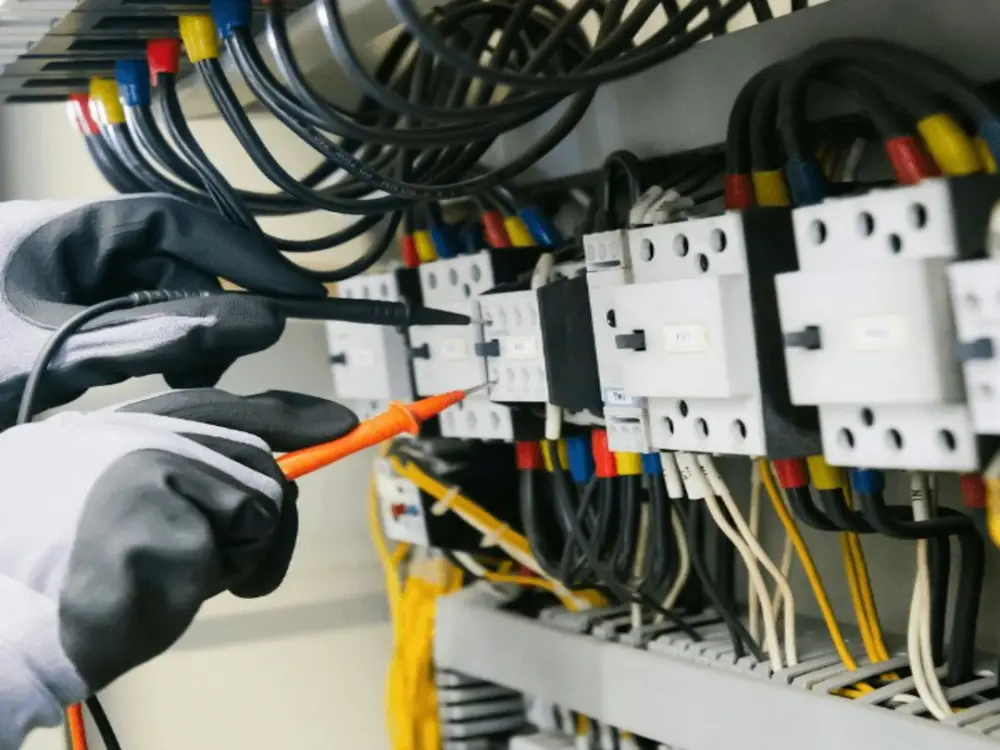
Effective energy resource management requires a holistic approach that extends beyond simple consumption monitoring. In modern industrial and commercial environments, the physical infrastructure that carries power is just as critical as the software used to analyze it. When electrical systems are designed and maintained with precision, they provide the stable foundation necessary for advanced automation, high-efficiency lighting, and sophisticated HVAC controls. Conversely, poorly managed electrical assets lead to energy leakage, equipment failure, and significant operational bottlenecks.
Operational efficiency is often measured by the ratio of output to input, but in the context of electrical infrastructure, it also encompasses the reliability and safety of the distribution network. As facilities move toward more complex power needs, including on-site renewable generation and electric vehicle charging hubs, the demand for rigorous technical standards increases. Ensuring that every component of a system operates within its intended parameters is the first step in eliminating hidden waste and optimizing energy throughput across the entire enterprise.
The Impact of Wiring Regulations on Energy Performance
Electrical standards serve as the blueprint for safe and efficient power distribution. In the United Kingdom, these standards are governed by the IET Wiring Regulations, which provide the framework for design, installation, and verification. These regulations are not static; they evolve to address new technologies and environmental challenges. By adhering to the latest updates, facility managers ensure that their wiring systems are capable of handling modern loads without excessive heat buildup or resistive losses, both of which represent direct energy waste.
Proper cable sizing is a fundamental aspect of this efficiency. When cables are undersized for their load, they operate at higher temperatures, increasing resistance and leading to voltage drops. This not only wastes energy as heat but can also force equipment like motors to work harder, shortening their lifespan and increasing their power draw. Aligning installation practices with current standards ensures that the infrastructure supports optimal equipment performance and minimizes the total cost of ownership for electrical assets.
Enhancing Reliability Through Standardized Installations
System downtime is one of the most significant threats to operational efficiency. Unexpected power outages or circuit failures can halt production lines, corrupt data, and lead to expensive emergency repairs. A standardized approach to electrical work ensures that protective devices are correctly coordinated, meaning a fault in one area will trip the local breaker rather than shutting down an entire section of the facility. This selectivity is vital for maintaining high uptime in complex environments.
Technical competency is the primary driver of this reliability. Professionals who maintain a deep understanding of the 18th Edition are equipped to identify potential points of failure before they manifest as critical issues. This information is provided for general educational purposes and does not constitute professional legal or engineering advice. By following these established guidelines, organizations can implement robust power distribution systems that remain resilient under varying load conditions, ensuring that energy is always available where and when it is needed most.
Smart Technology Integration and Surge Protection
As we move through 2026, the integration of smart sensors and Internet of Things (IoT) devices into energy management systems has become standard practice. These devices provide the granular data necessary to adjust consumption patterns in real-time. However, these sensitive electronic components are highly susceptible to transient overvoltages caused by lightning strikes or internal switching events. Without adequate protection, a single surge can destroy thousands of pounds worth of energy monitoring equipment.
Current regulations emphasize the necessity of Surge Protection Devices (SPDs) in most commercial and industrial settings. Integrating these devices into the distribution board protects the digital heart of an energy management strategy. When these systems are protected, they can continue to provide the data streams required for predictive maintenance and demand-side response. This synergy between physical protection and digital insight is a hallmark of a mature operational efficiency program.
Prosumer Electrical Installations and Local Generation
The rise of the "prosumer"—an entity that both produces and consumes electricity—has changed the landscape of energy resource management. Facilities are increasingly incorporating solar PV arrays, battery energy storage systems (BESS), and wind turbines into their local grids. Managing these bidirectional flows of electricity requires a sophisticated understanding of how local generation interacts with the national grid and internal loads.
Regulatory frameworks now include specific chapters dedicated to Prosumer Electrical Installations (PEIs). These guidelines ensure that local generation is integrated safely, preventing issues such as islanding, where a local generator continues to feed power into a grid that has been shut down for maintenance. Efficiently managing these systems allows a facility to maximize its use of self-generated green energy, reducing reliance on the grid during peak pricing periods and significantly lowering the carbon footprint of the operation.
Power Quality and Harmonic Distortion Management
Energy efficiency is often degraded by poor power quality, specifically harmonic distortion caused by non-linear loads such as variable speed drives, LED lighting, and computers. These harmonics can cause overheating in neutral conductors and transformers, lead to nuisance tripping of circuit breakers, and interfere with sensitive communication equipment. Identifying and mitigating these issues is a technical necessity for any facility aiming for peak operational efficiency.
Addressing power quality involves the use of active or passive filters and ensuring that the electrical system is designed to handle the specific characteristics of the connected loads. Regular testing and inspection of the installation can reveal rising harmonic levels before they cause equipment failure. By maintaining a clean power supply, an organization ensures that its electrical infrastructure operates at maximum efficiency, with minimal energy lost to electromagnetic interference or thermal dissipation.
Future-Proofing Infrastructure for Long-Term Efficiency
Operational efficiency is a long-term commitment that requires forward-thinking infrastructure design. As the transition to electric heating and transportation accelerates, the total electrical load on many facilities is expected to grow. Designing systems with spare capacity and modularity allows for future expansion without the need for a complete overhaul of the existing distribution network. This proactive approach saves significant capital expenditure and prevents the operational disruptions associated with major retrofits.
Maintaining a rigorous schedule of Periodic Inspection and Testing, often referred to as an Electrical Installation Condition Report (EICR), is essential for this future-proofing. These inspections verify that the installation remains in a safe and efficient condition as it ages. They provide a clear roadmap for necessary upgrades, ensuring that the facility can continue to adopt new energy-saving technologies as they emerge. By treating electrical compliance as a core component of energy resource management, organizations protect their personnel, their assets, and their bottom line.